Written on January 15, 2025
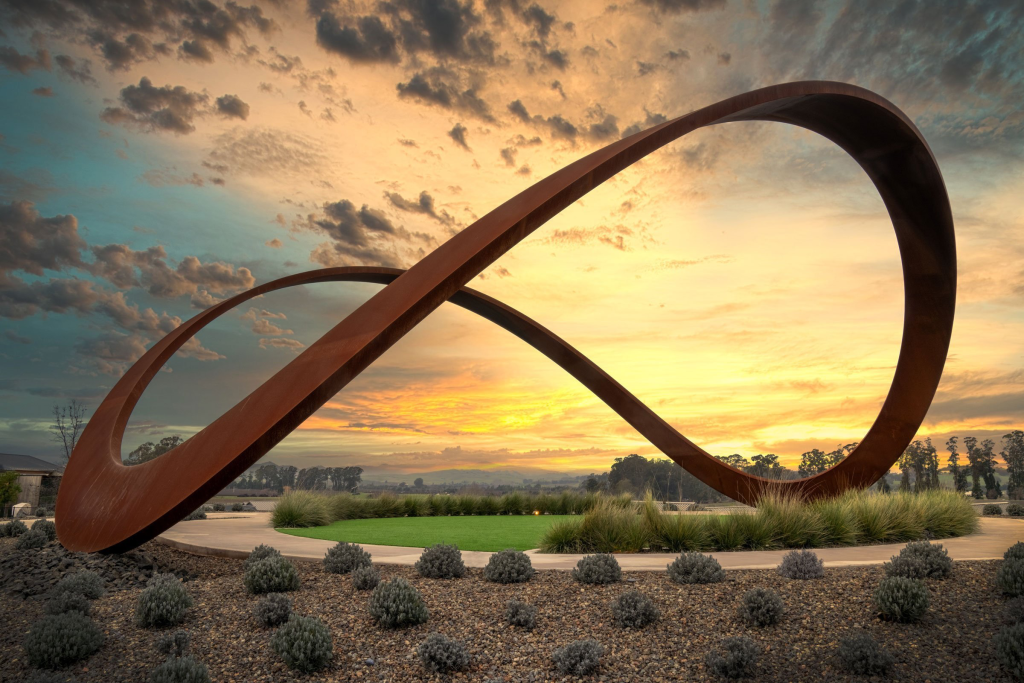
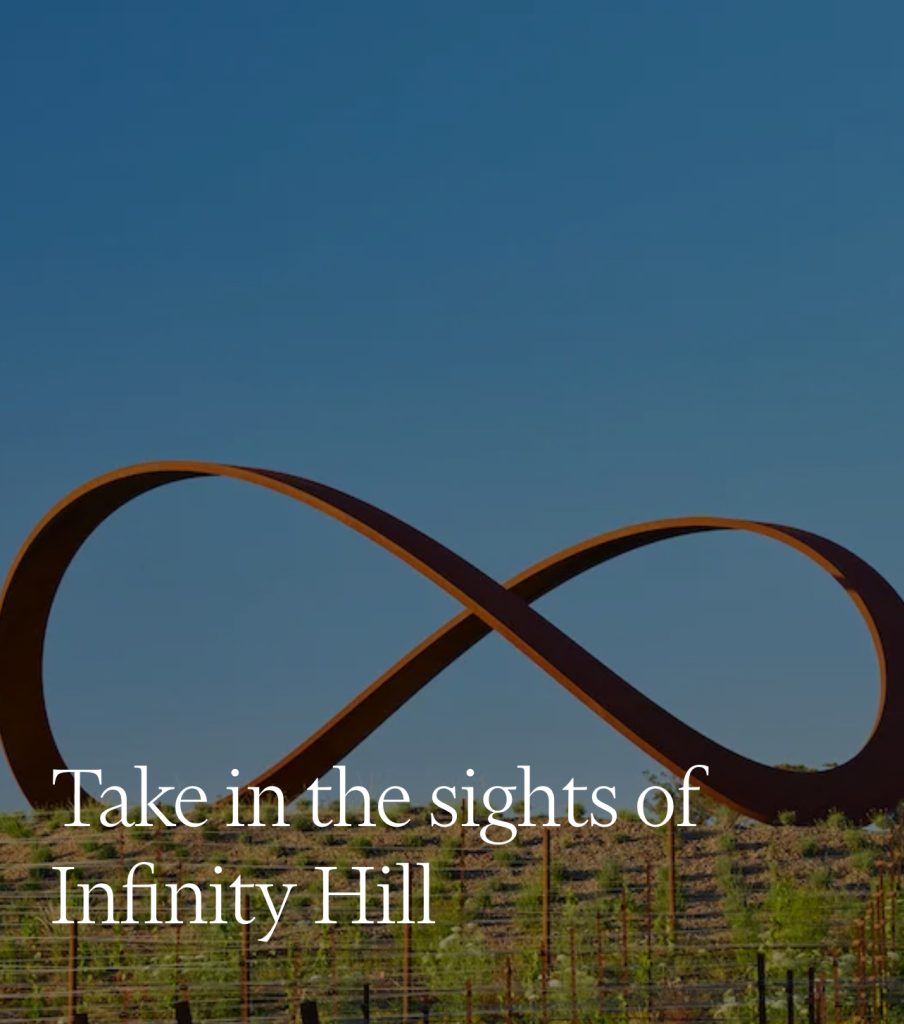
Public art is generally defined as “artwork created for the general public and placed in the public realm, regardless of commissioning agency or funding source.” The practice has a long history in the United States, and has gradually evolved as artists, commissioning agencies and developers collaborate to define what it means for an artwork to be public. In 1872, Philadelphia’s Association for Public Art was established to integrate public art and urban design, pioneering the concept of a “museum without walls.” Over the years, federal programs such as the 1935 Works Progress Administration’s Federal Art Project (FPA) and the General Service Administration’s Art in Architecture program were created to enhance the aesthetics of federal architecture and showcase the diversity of America’s visual artists. Many cities followed suit, establishing their own municipal public art programs. And, in 1959, the Philadelphia Redevelopment Authority’s Percent for Art in Private Development initiative became the nation’s first program to require a percentage of construction costs for private development projects to be put toward commissioning original, site-specific public art. Today, there are nearly 100 similar programs across 16 states.
Though every percent-for-art program is unique, the following trends are well-documented indicators of the positive influence of public art:
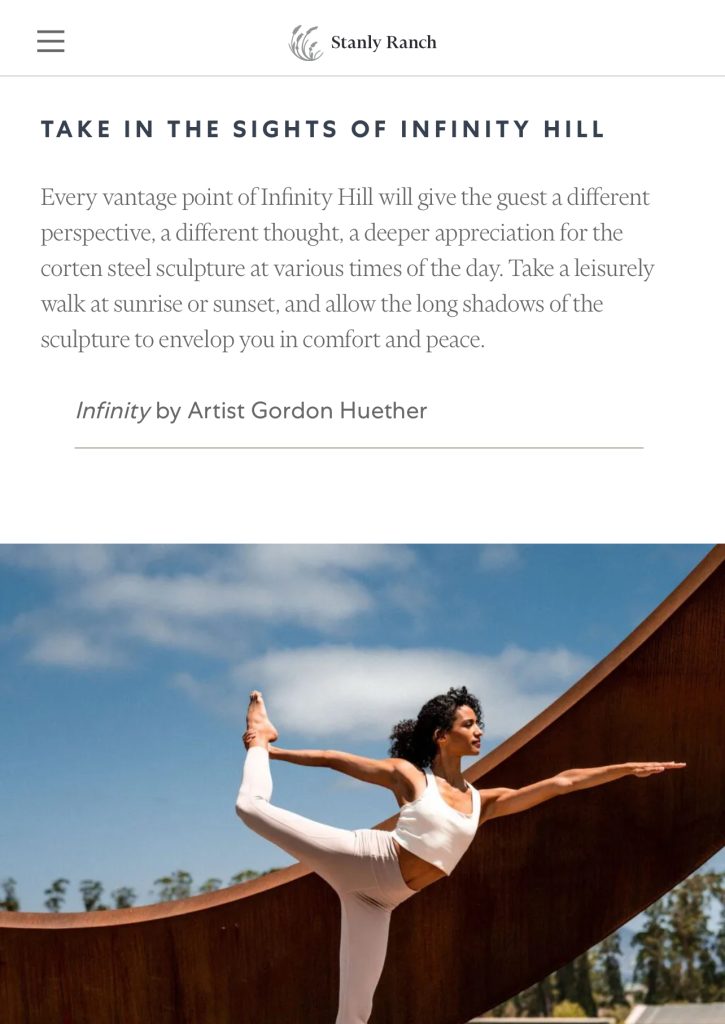
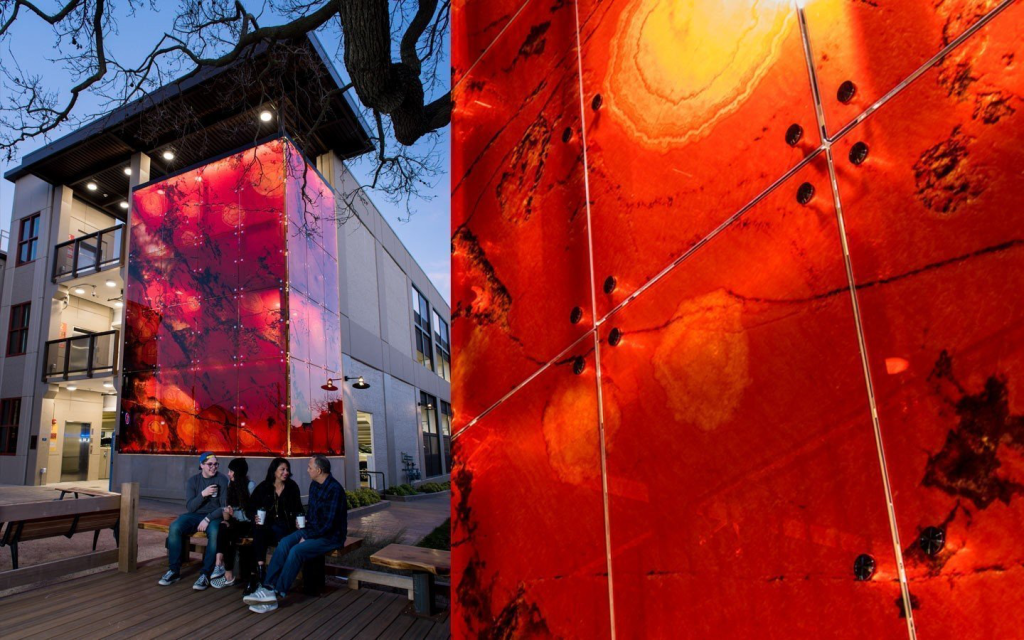
1. Enhanced aesthetics: Aesthetics is one of the top three influencing factors in where and why residents choose to relocate. When people see themselves reflected where they live, work, spend and play, they develop a sense of attachment to that community, location or business. Public art improves aesthetics, making places unique by reflecting the local environment, history and culture, giving communities and businesses a stronger sense of place and identity.
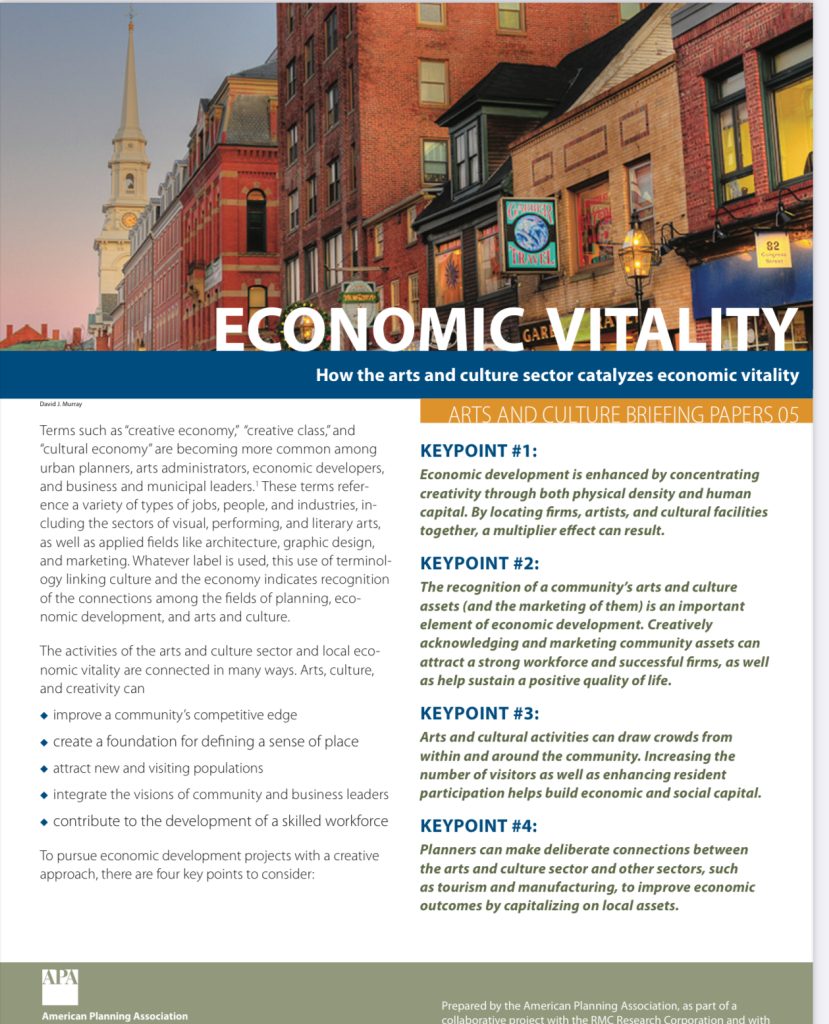
2. Increased economic vitality: Public art can improve a community’s competitive edge, attracting new and visiting populations by harmonizing the efforts of community and business leaders. Reston Town Center in Reston, VA has a less than 0.5 percent office vacancy rate in a region where the average office vacancy is 16-18 percent. Real estate brokers attribute the low vacancy rate, in part, to the permanent and temporary public artworks located in the Center.
3. Improved public health: Public art has been shown to have clear public health benefits, including decreased stress, providing a sense of belonging and an increase in positive health behaviors. Patients in hospitals that have incorporated various forms of public art have been found to experience less anxiety, lower levels of pain and faster healing after medical procedures.
In 1987, I founded Gordon Huether Studio in Napa, California with a mission to create large-scale, site-specific, permanent artwork installations. Since then, I have collaborated with hundreds of design teams, architects, general contractors and clients of every type – often with different agendas – to arrive at a unified goal without sacrificing the aesthetics of a commission. My mission statement: to inspire the spirit of humanity by bringing beauty and meaning into the world through art, has guided my thoughtful approach to every project. These days, my full-service, in-house team operates from the Hay Barn, a 15,000 square-foot facility that houses our design studio, fabrication facilities and the administrative offices needed to bring public art of any size and scope from initial design to final installation on-time and on-budget, within even the most challenging circumstances.
So, if your next development project has a percent-for-art requirement, try to reframe the obligation as an opportunity to add distinction and value to your project, enhancing the local economy and your future customers. I’m confident you’ll see a positive ROI on your investment!
Looking for help with satisfying your own public art requirement? Contact Gordon Huether Studio at mail@gordonhuether.com or call (707) 255-5954 to learn how our experienced, professional team can help you get the most out of your public art investment.